
The Hashemite Kingdom of Jordan
Jordan Travel Guide
Petra, Wadi Rum & beyond — a first-hand guide to every major destination, three thousand years of heritage, Bedouin culture, Jordanian food, and the hiking, nature and photography that make Jordan extraordinary.
Why Jordan rewards the curious
A land of desert, stone and welcome
Jordan is roughly the size of Portugal, yet it holds an extraordinary concentration of landscapes and history. You can stand where Moses looked out over the Promised Land in the morning, walk a colonnaded Roman street at midday, and sleep under a blanket of desert stars by nightfall.
What ties it together is hospitality — “diyafa” — a Bedouin code that treats every guest as a gift. Sharing tea is not a transaction here; it is an invitation. Traveling with people who understand this rhythm changes a trip from sightseeing into something more genuine.
This guide covers every major destination, the three great heritage layers — Nabataean, Roman and Christian — the culture and food, and the hiking, nature and photography that make Jordan a place you feel as much as see.
Destinations
Where to go in Jordan
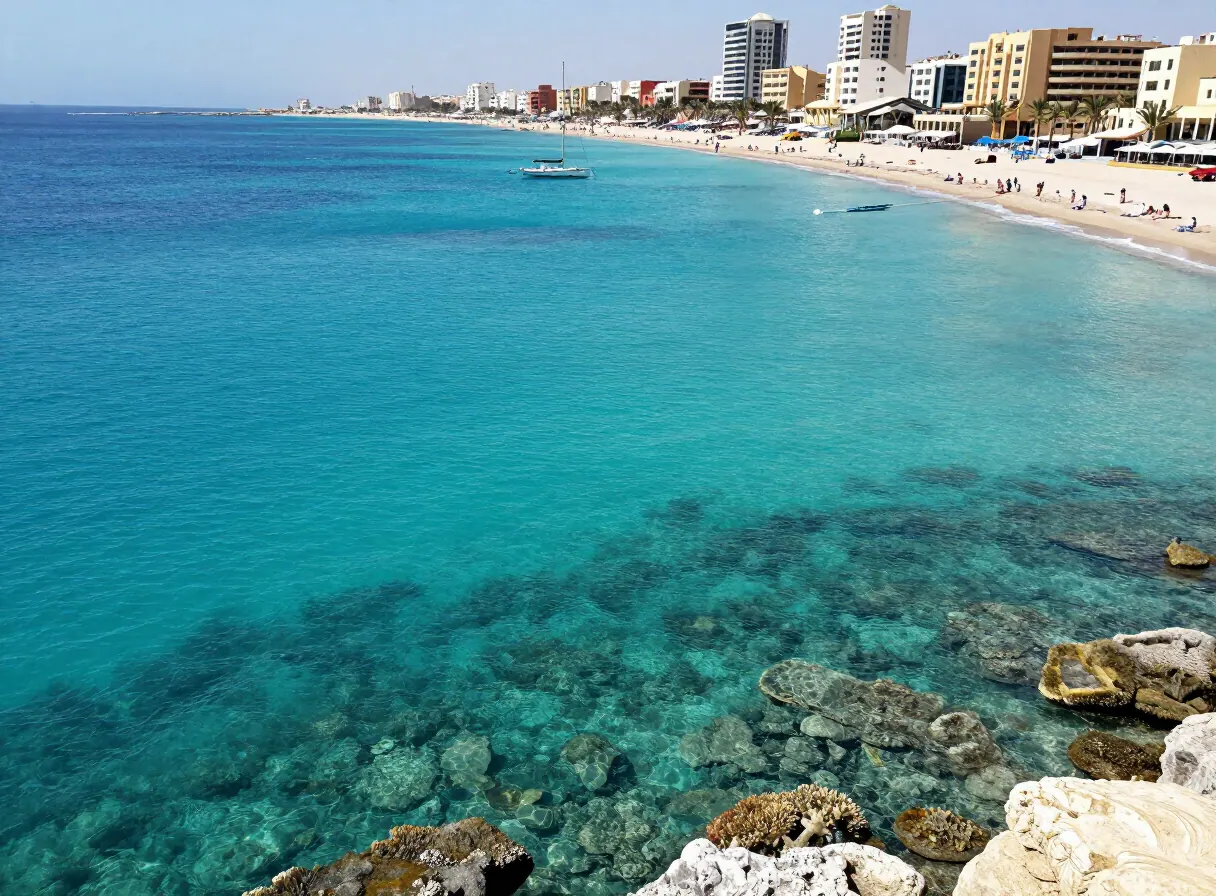
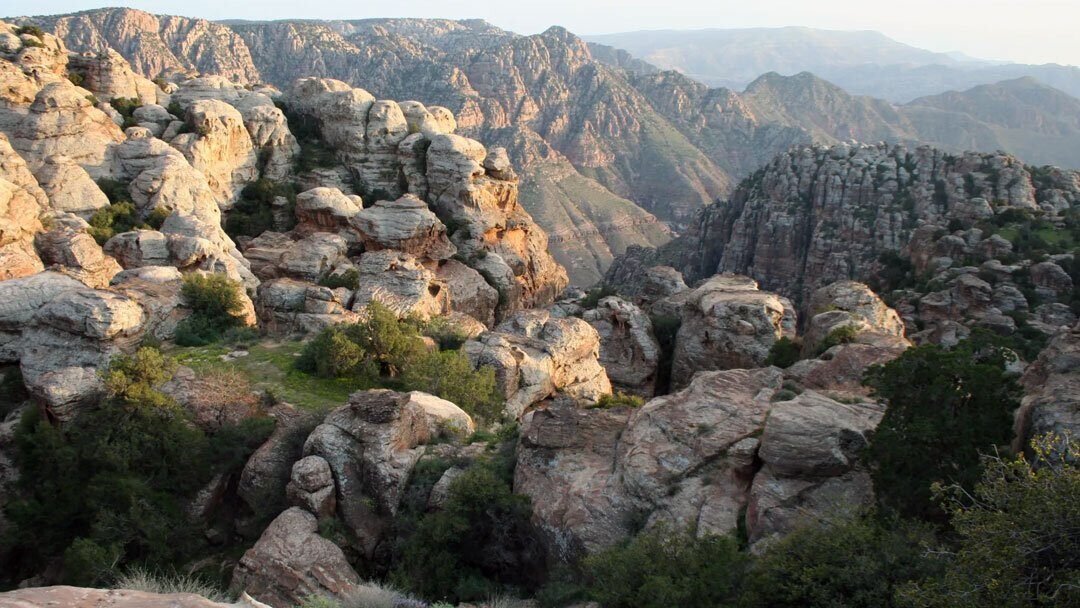
From the carved rose-red city to the lowest sea on Earth — each destination has its own character. Tap any card to start exploring.
Beyond the highlights
Castles, baptism sites and quieter ruins
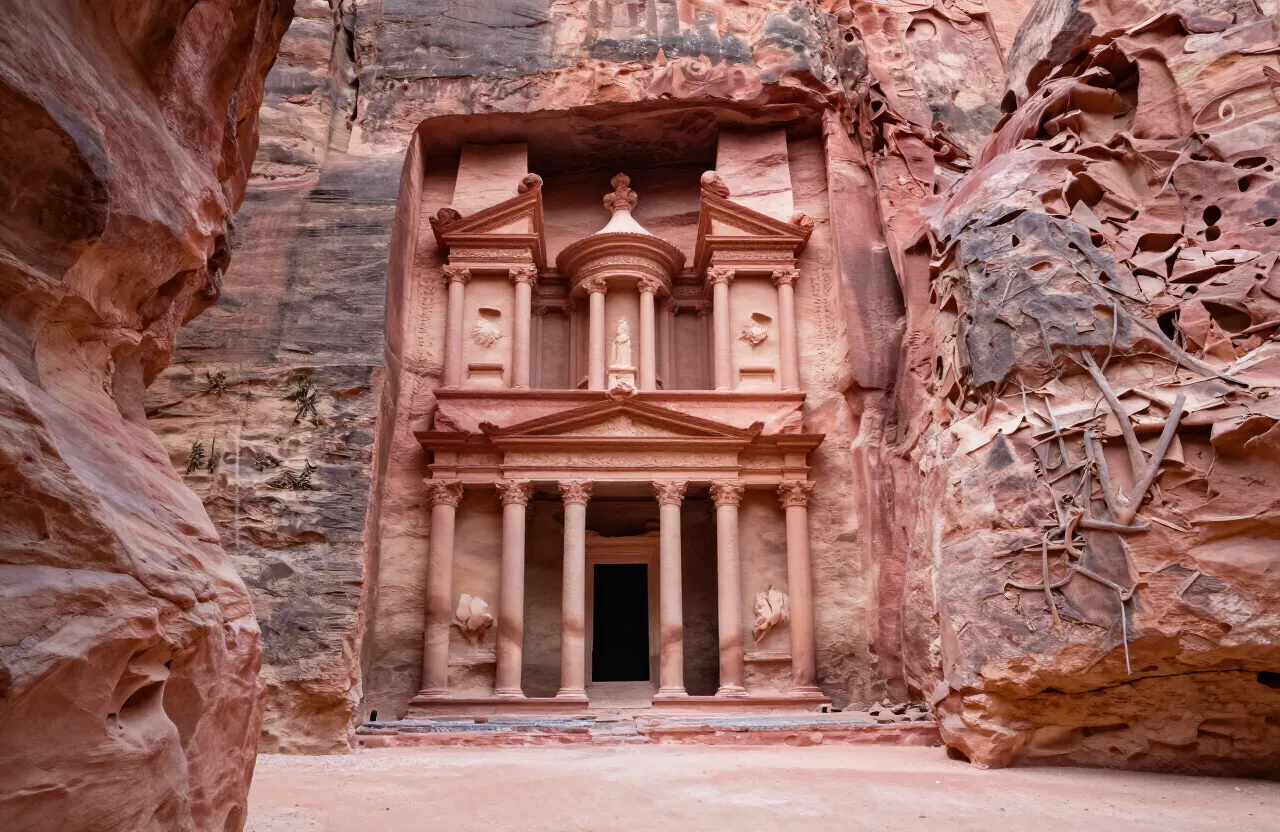
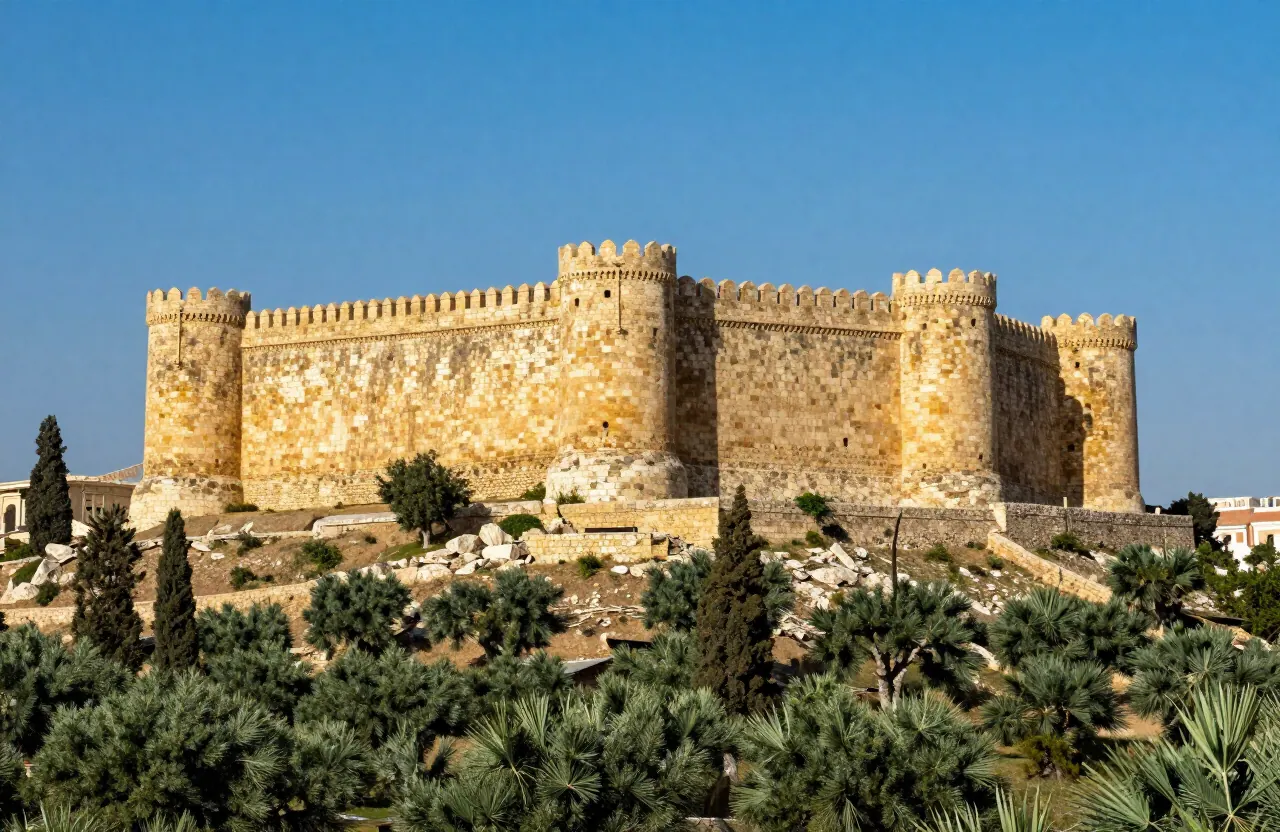
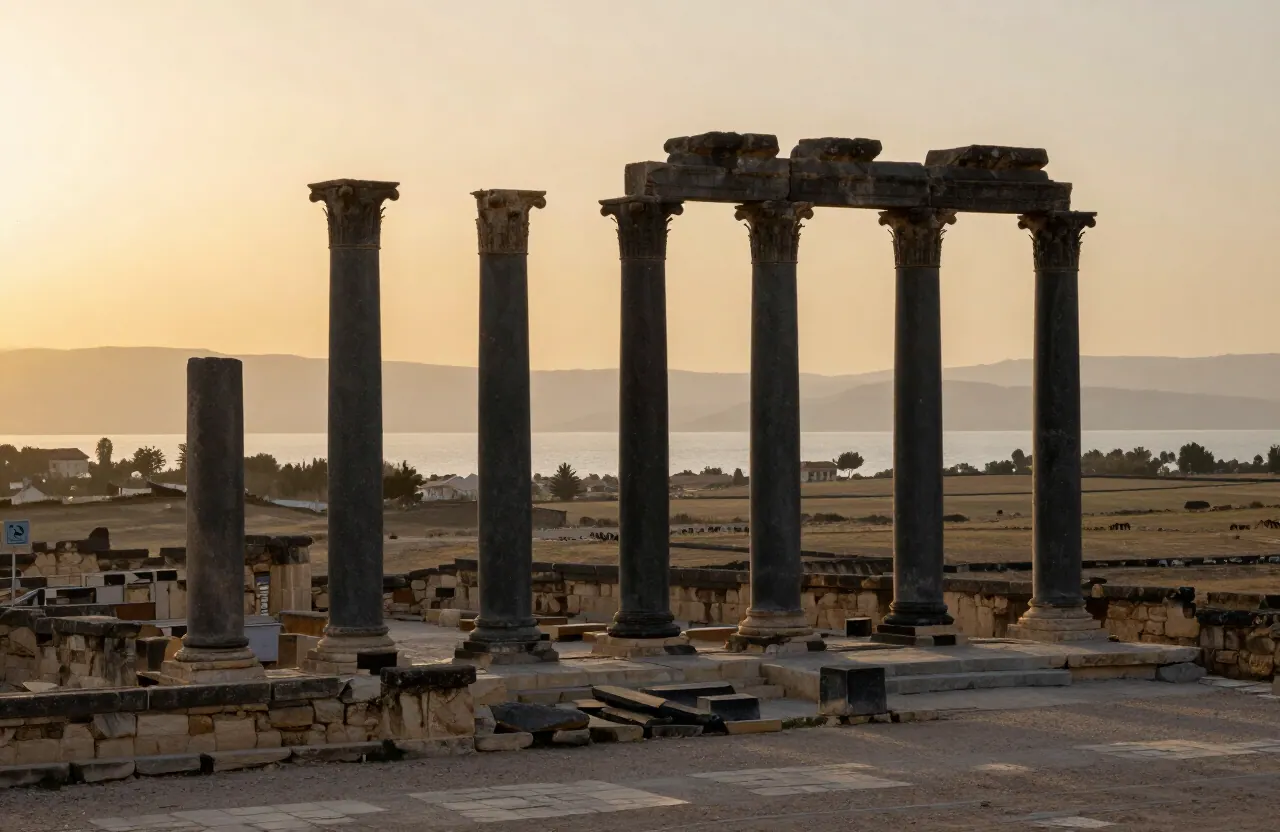
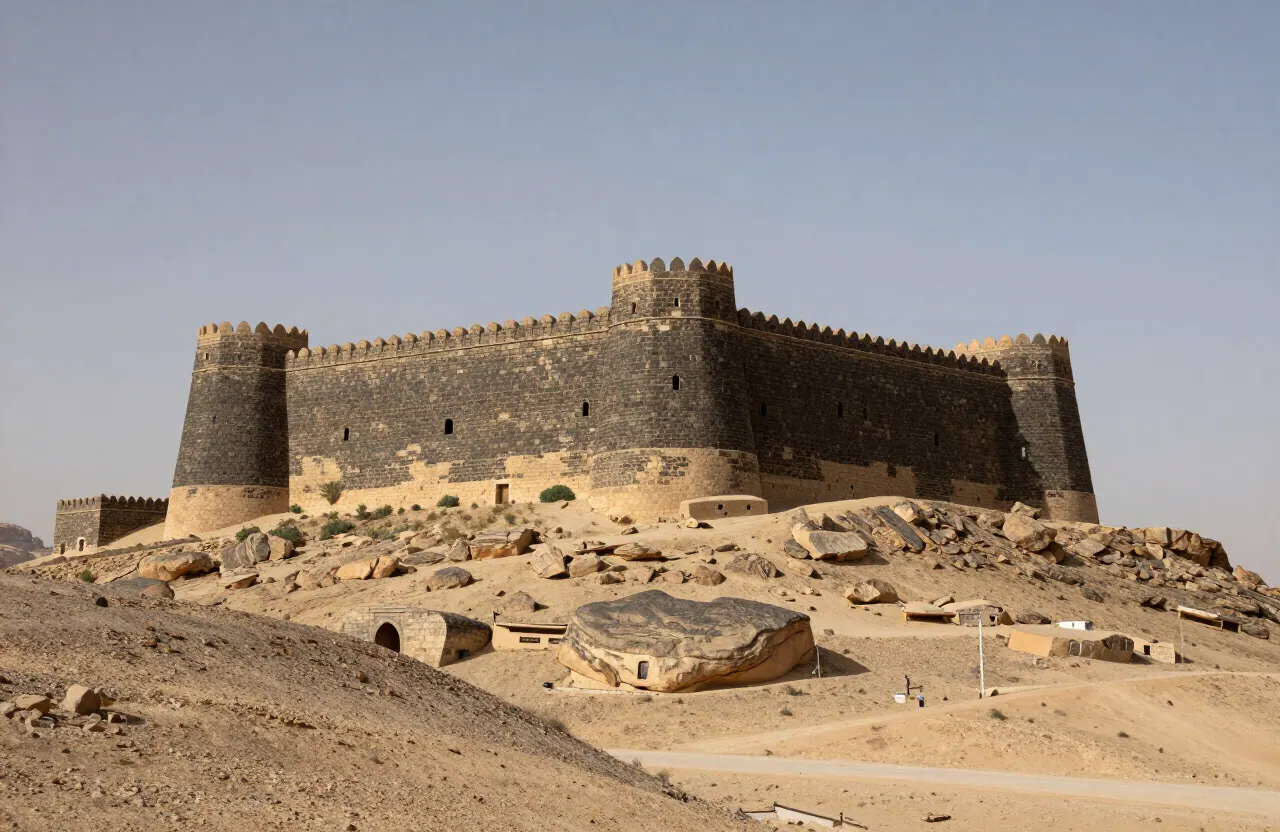
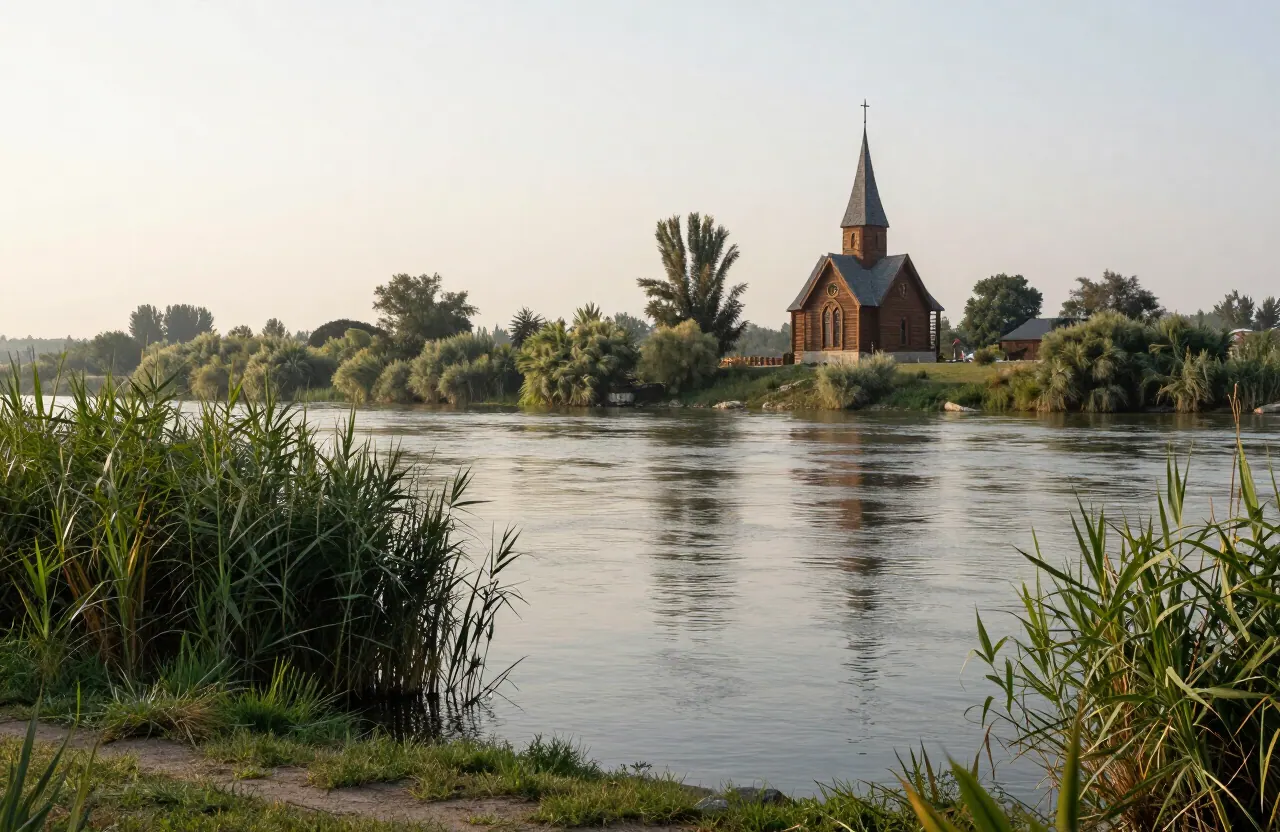
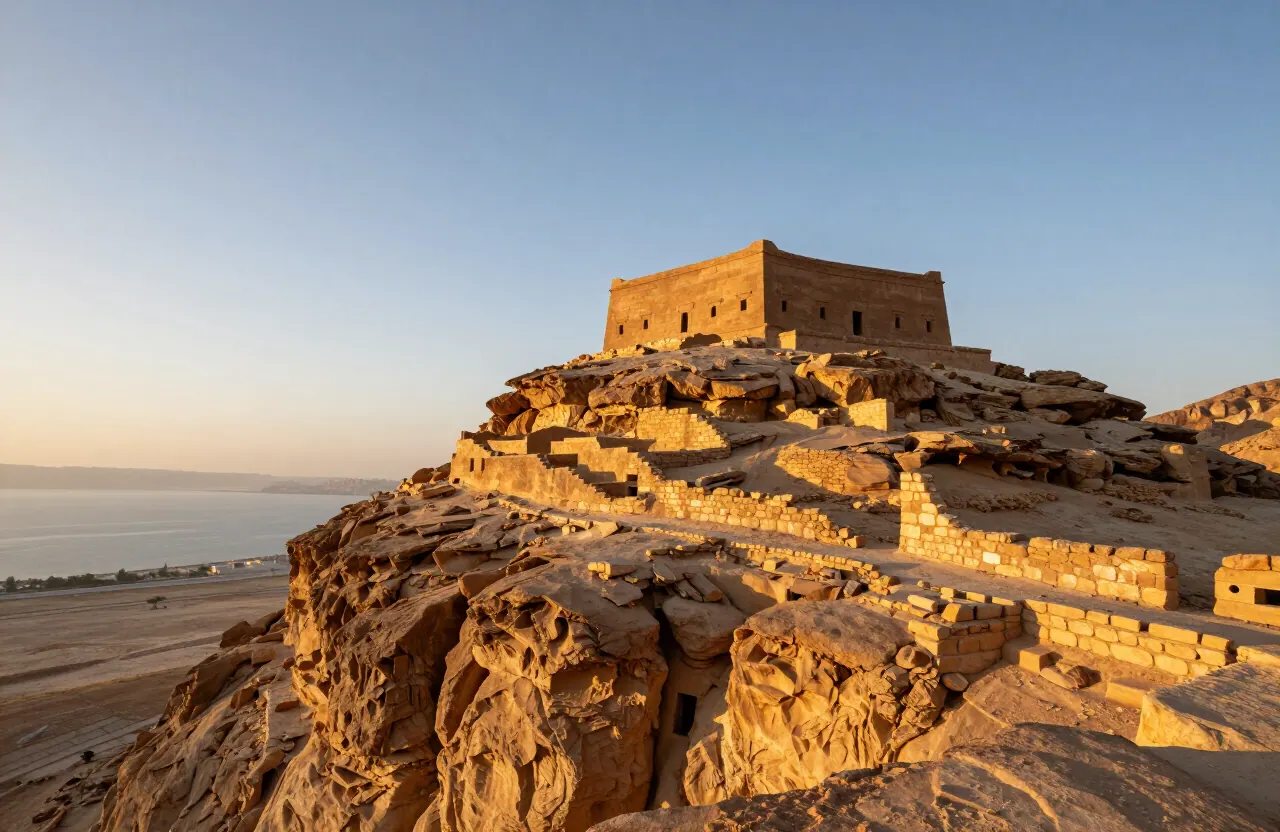
The destinations below reward travelers with a little more time — Crusader castles, biblical sites and Decapolis cities that most itineraries skip.
Heritage
Three thousand years of history
Jordan’s story is layered — Nabataean traders, Roman legions and early Christians all left their mark, often on the same ground.
Nabataean heritage
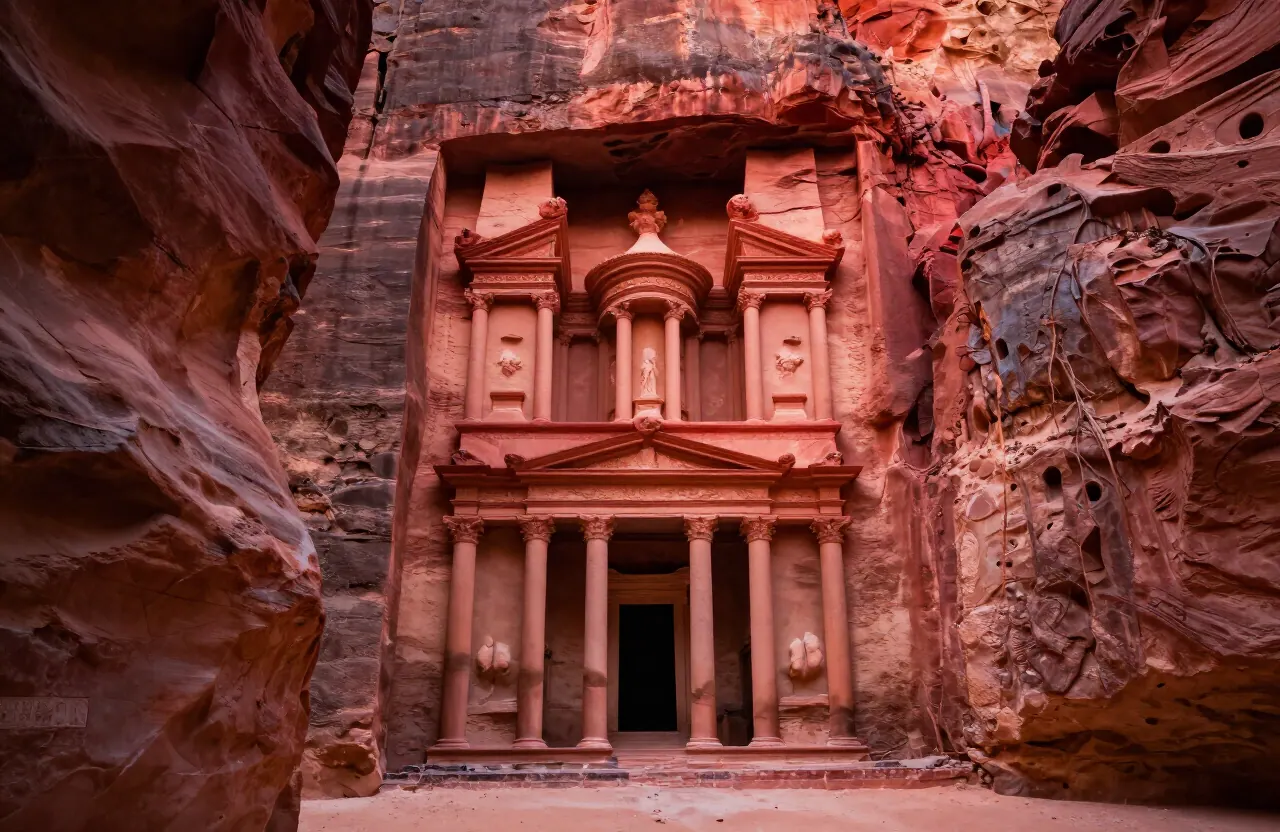
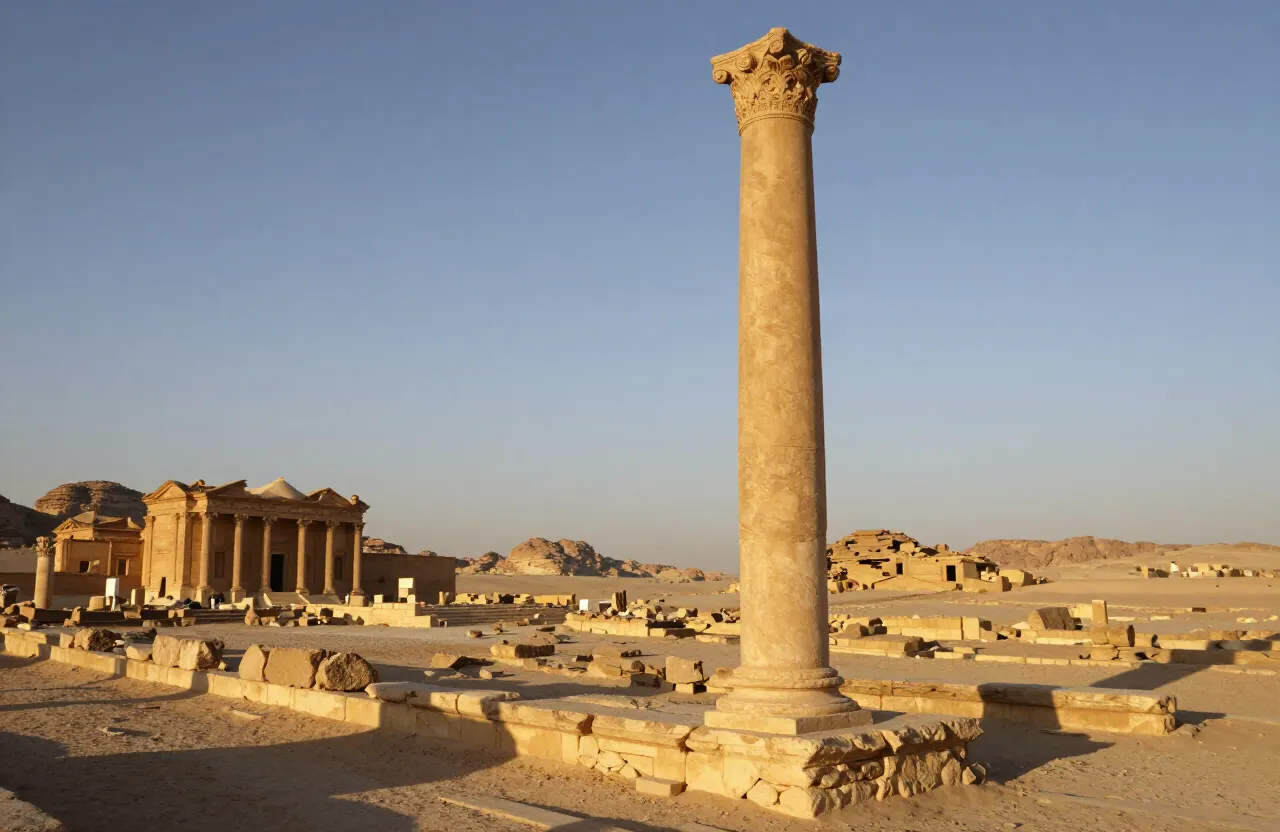
The Nabataeans were nomadic Arab traders who built an empire of caravan cities along the incense and spice routes. Their genius was water — engineering dams, cisterns and channels that turned arid valleys into thriving settlements. Petra is their masterpiece, but Little Petra, the desert trade outposts and the rock-cut facades scattered across southern Jordan all tell the same story of a people who turned stone and water into civilization.
Roman heritage
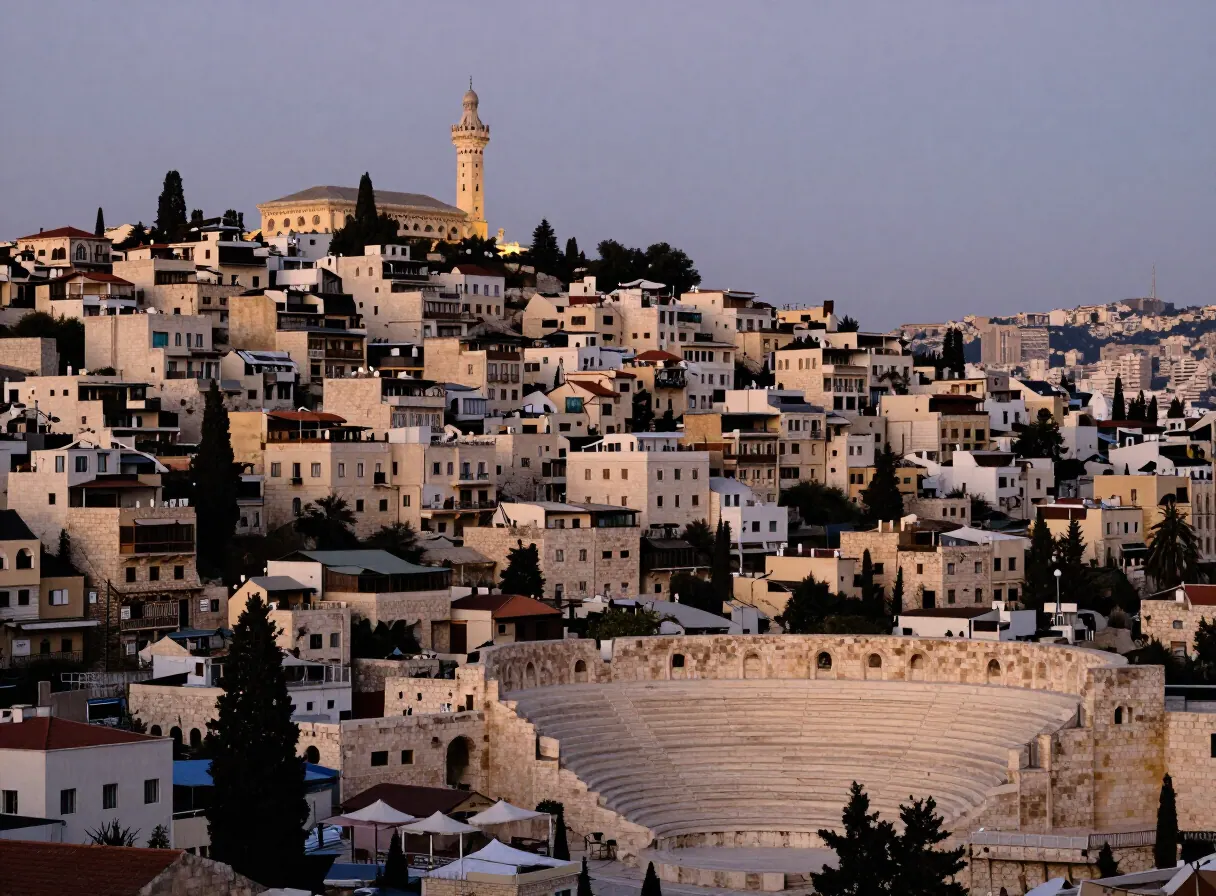
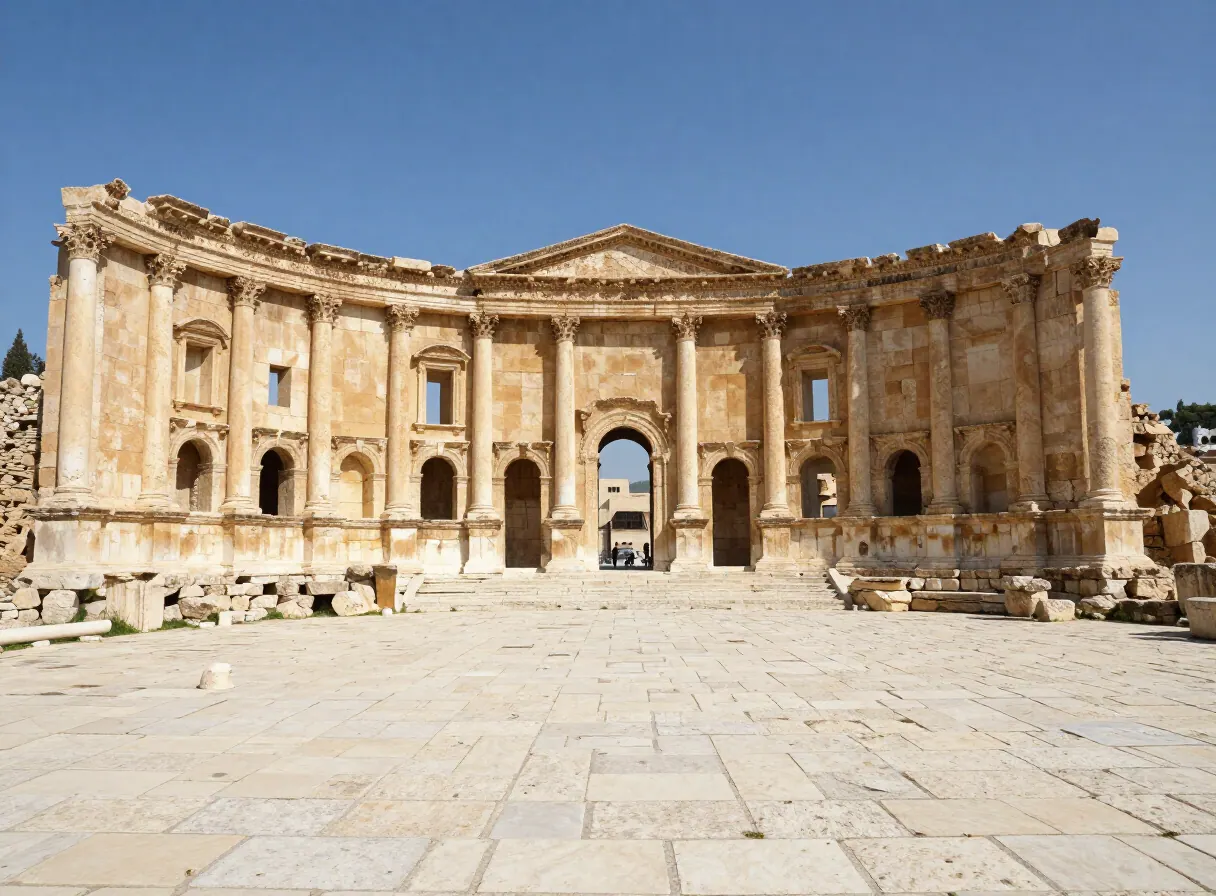
Jordan was part of the Roman province of Arabia and the Decapolis — a league of ten Greco-Roman cities. Jerash is the crown jewel, its colonnaded Cardo and Oval Plaza among the finest Roman ruins anywhere, but Amman (Philadelphia), Umm Qais (Gadara), Umm ar-Rasas and Pella all preserve theatres, temples and streets that place Jordan firmly on the classical map.
Christian heritage
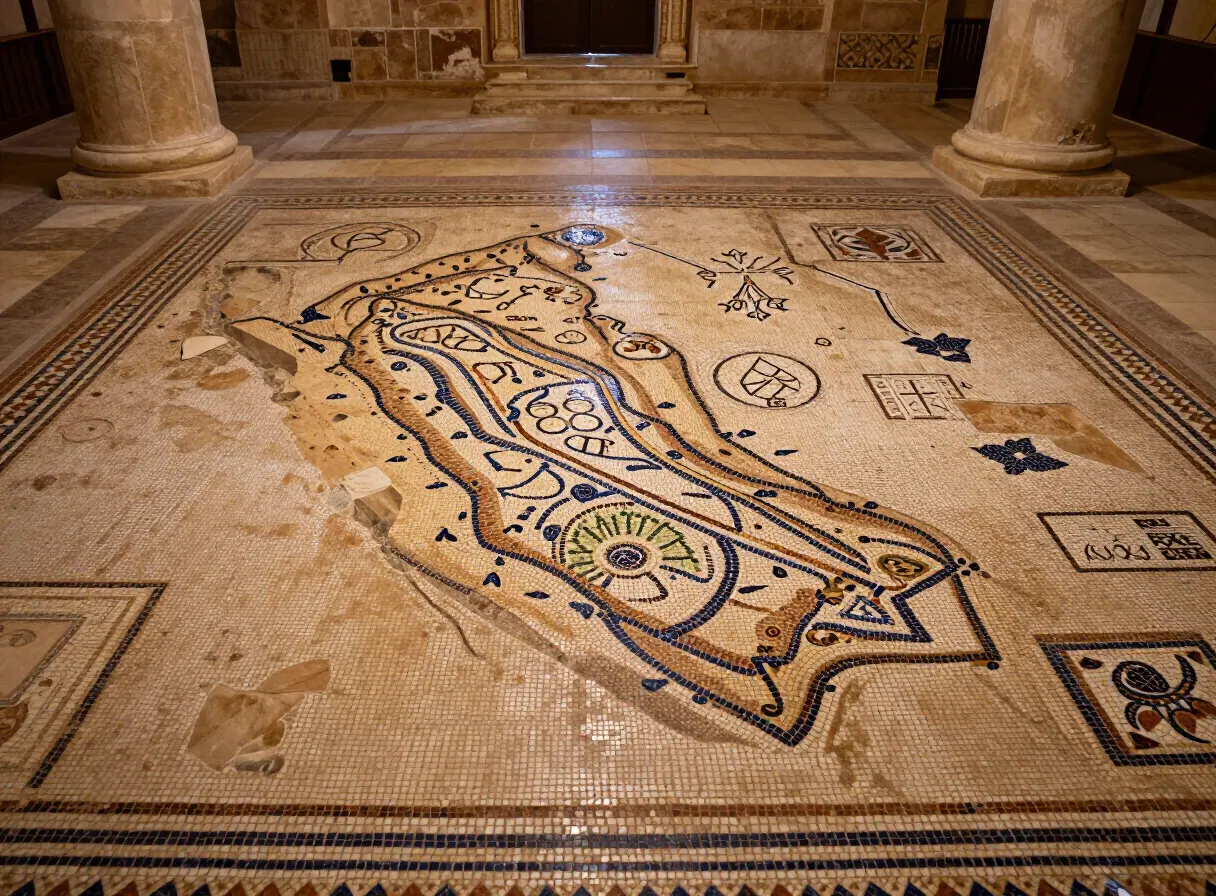
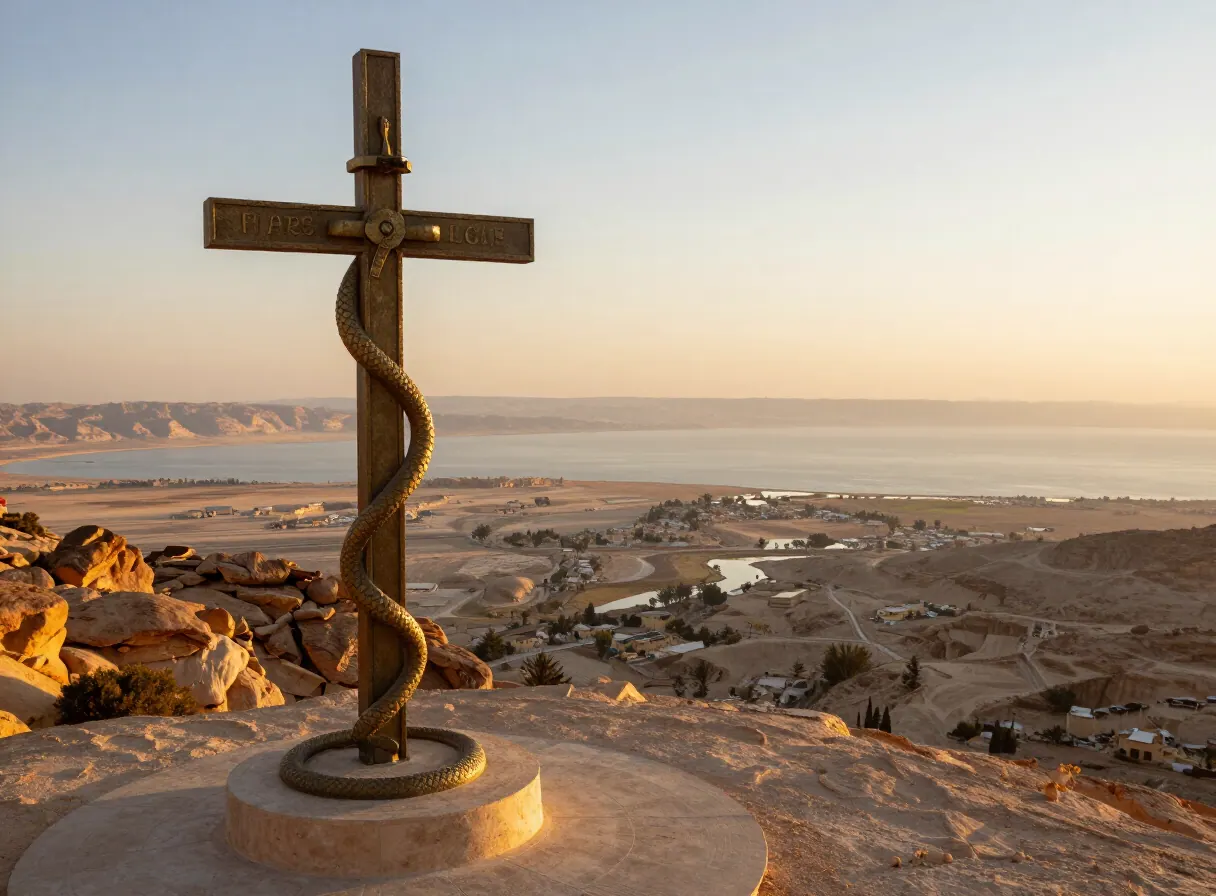
Jordan is part of the Holy Land. Mount Nebo is where Moses looked out over the Promised Land; Bethany Beyond the Jordan is the baptism site of Jesus; Machaerus is linked to the fate of John the Baptist; and Madaba’s churches preserve the oldest map of the Holy Land. Pilgrims have walked these routes for nearly two thousand years, and the Egeria Way trail follows the path of a 4th-century pilgrim.
Culture
The people and the table
Jordan’s monuments are world-famous, but its culture is what travelers remember most — the welcome and the food.
Bedouin culture
Bedouin hospitality — “diyafa” — is the heart of Jordan’s culture. A guest is a gift, and sharing tea is an invitation, not a transaction. In Wadi Rum, Bedouin families still host travelers in desert camps, serving cardamom coffee and stories under the stars. Understanding this rhythm of welcome changes a trip from sightseeing into something genuine.
Jordanian food
Jordan’s national dish is mansaf — lamb cooked in tangy dried-yogurt sauce over rice and thin bread, shared from a single platter. Beyond it: maqluba (the “upside-down” dish), knafeh (the cheese-and-syrup dessert), mezze of hummus and baba ghanoush, fresh falafel and Bedouin tea cooked over an open fire. Food here is communal, generous and central to every gathering.
Activities
Hiking, nature & photography
Jordan is not only a place to see — it is a place to walk, to feel and to capture. Here is how to experience it actively.
Hiking
Jordan is a hiker’s country. The Dana-to-Petra trail drops from highland plateau to desert canyon over days of spectacular scenery; the Jordan Trail threads the whole country north to south; and inside Petra the Monastery, High Place of Sacrifice and Back Trail reward fit walkers with the site’s finest, least-crowded views.
Nature
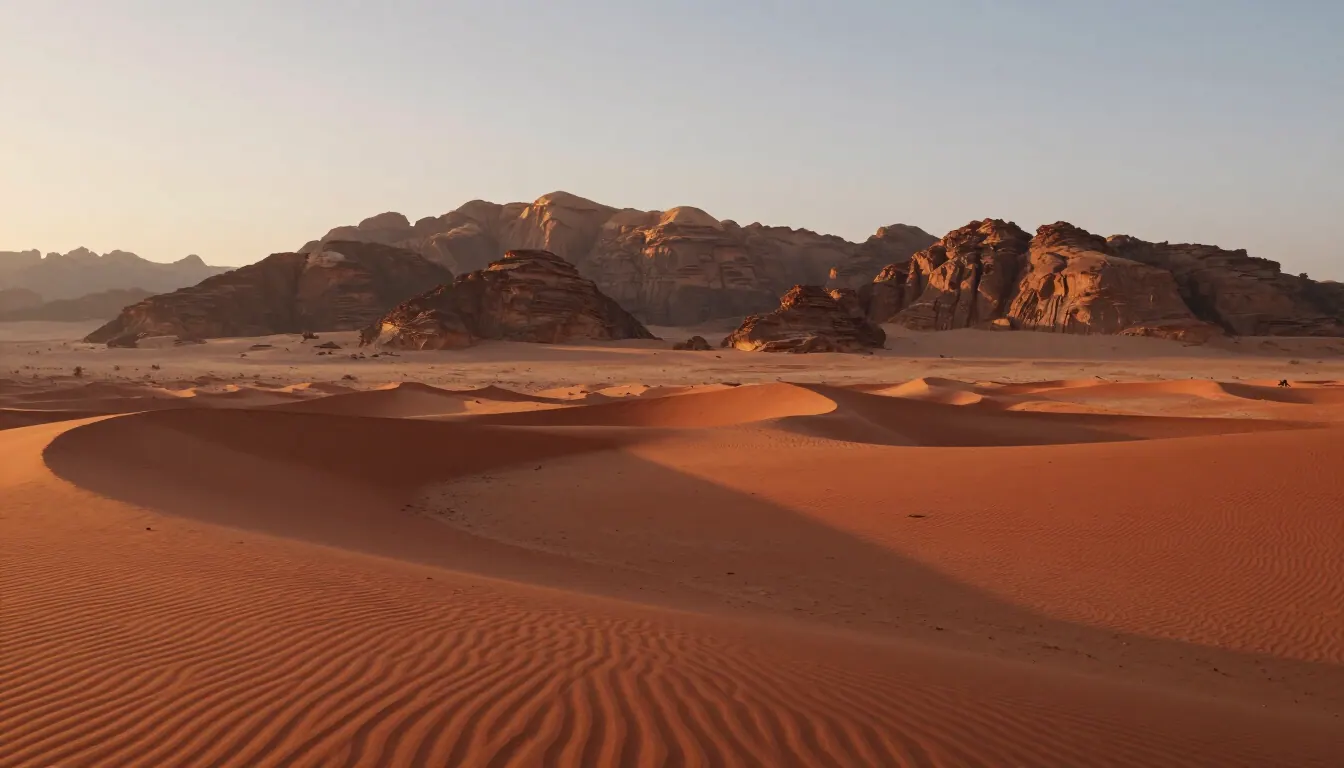
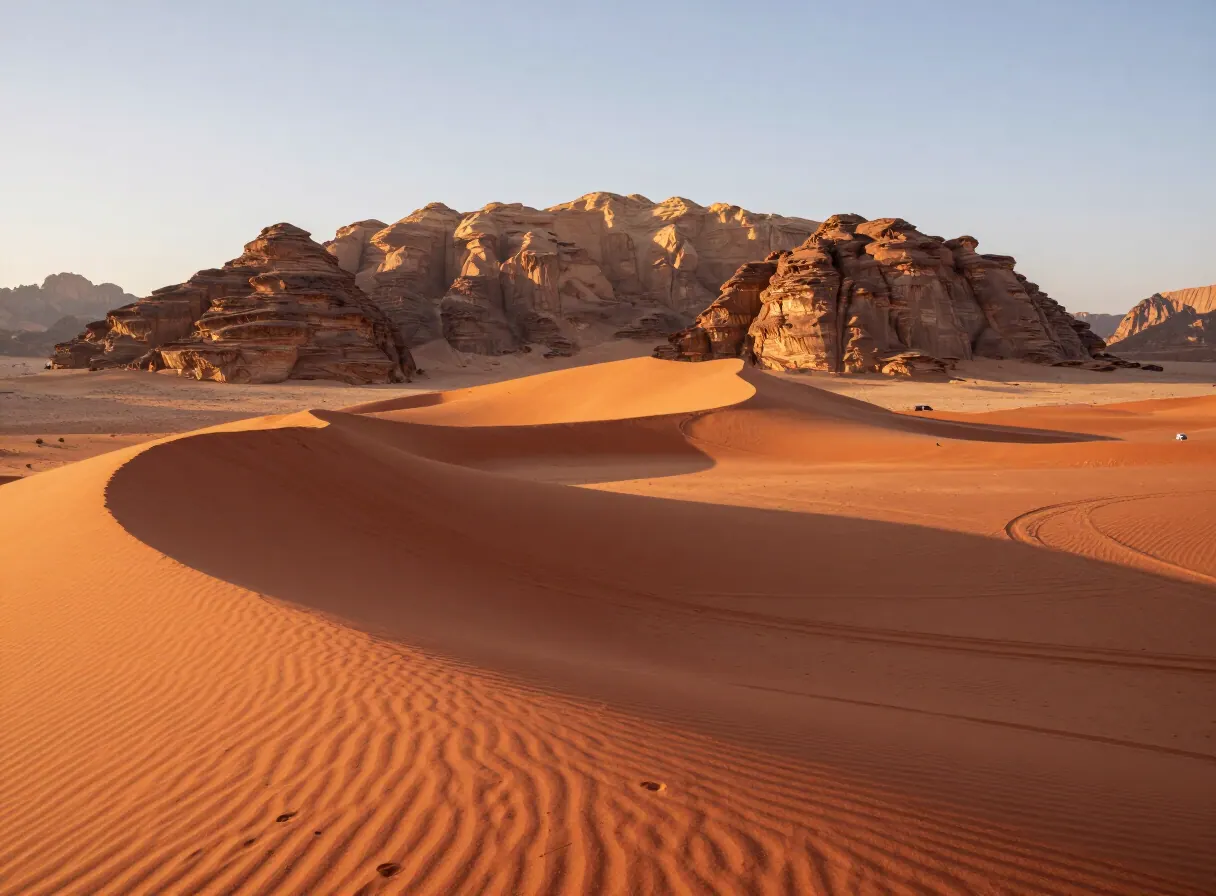
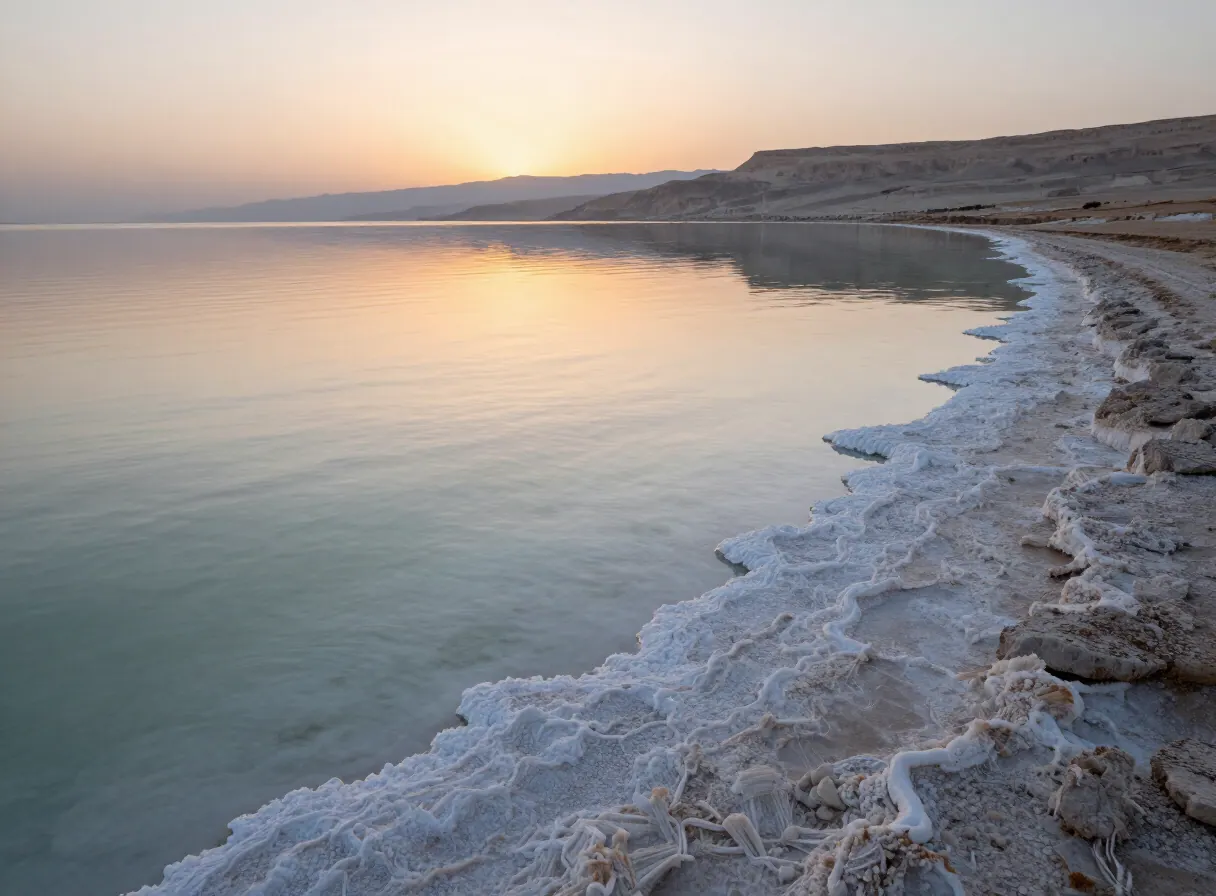
Beyond the monuments, Jordan’s landscapes are the attraction: the red dunes of Wadi Rum, the coral reefs of Aqaba, the floating waters of the Dead Sea, the Mujib Siq canyon and the green highlands of Ajloun and Dana. Each region shifts in colour and character, from desert to sea to forest.
Photography
Jordan is a photographer’s dream — the rose glow of Petra at morning light, the Mars-like dunes of Wadi Rum at sunset, the mirror-still Dead Sea, and the basalt panoramas of Umm Qais. Timing and light matter more than equipment, and we know the right hour for every site.
Scenic routes
Two ways to cross Jordan
Most journeys run north–south between Amman, Petra and Aqaba. The road you choose shapes the experience.
The King’s Highway
One of the oldest continuously used roads in the world — the biblical King’s Highway winds south through Madaba, Mount Nebo, Karak and Shobak to Petra. It is slower than the Desert Highway but far more scenic, threading Crusader castles, canyons and highland villages. The drive is a destination in itself.
The Desert Highway
The fast, direct route from Amman to Petra and Aqaba — a straight desert run of about 230 km to Wadi Musa in roughly three and a half hours. Less scenic than the King’s Highway, it is the practical choice when time is short or you are connecting Amman and Petra in a single day.
Plan
Practical travel in Jordan
Visas & the Jordan Pass
Most nationalities need a visa, and the Jordan Pass bundles your tourist visa with entrance to Petra and 40+ sites — usually the smartest purchase before you arrive.
Currency & costs
The Jordanian Dinar (JOD) is the local currency. Cards are accepted in cities and resorts; carry cash for smaller towns, tips and Bedouin camps.
When to travel
Spring (March–May) and autumn (September–November) are ideal. Summers are hot in the desert and lowlands; winters bring snow to Amman and clear, cold desert nights.
Safety
Jordan is widely regarded as one of the most stable and welcoming countries in the region. Hospitality is a deep cultural value — visitors are genuinely looked after.
Getting around
Distances are manageable but public transport between sites is limited. A private driver is the most comfortable and flexible way to see Jordan’s spread-out highlights.
Language & etiquette
Arabic is the official language; English is widely spoken in tourism. A few words — “Ahlan” (hello), “Shukran” (thank you) — go a long way and are warmly received.
Ready to turn this guide into a journey? Browse our suggested itineraries or plan a custom trip.
View itineraries Plan a custom tripSources & further reading
This guide draws on first-hand travel across Jordan. For official information and deeper research, these are the sources we trust.
Travel Jordan through local eyes
From a single day trip to a two-week loop, we design private journeys across every destination — at your pace, around your interests.